01Choose a small, reversible setup
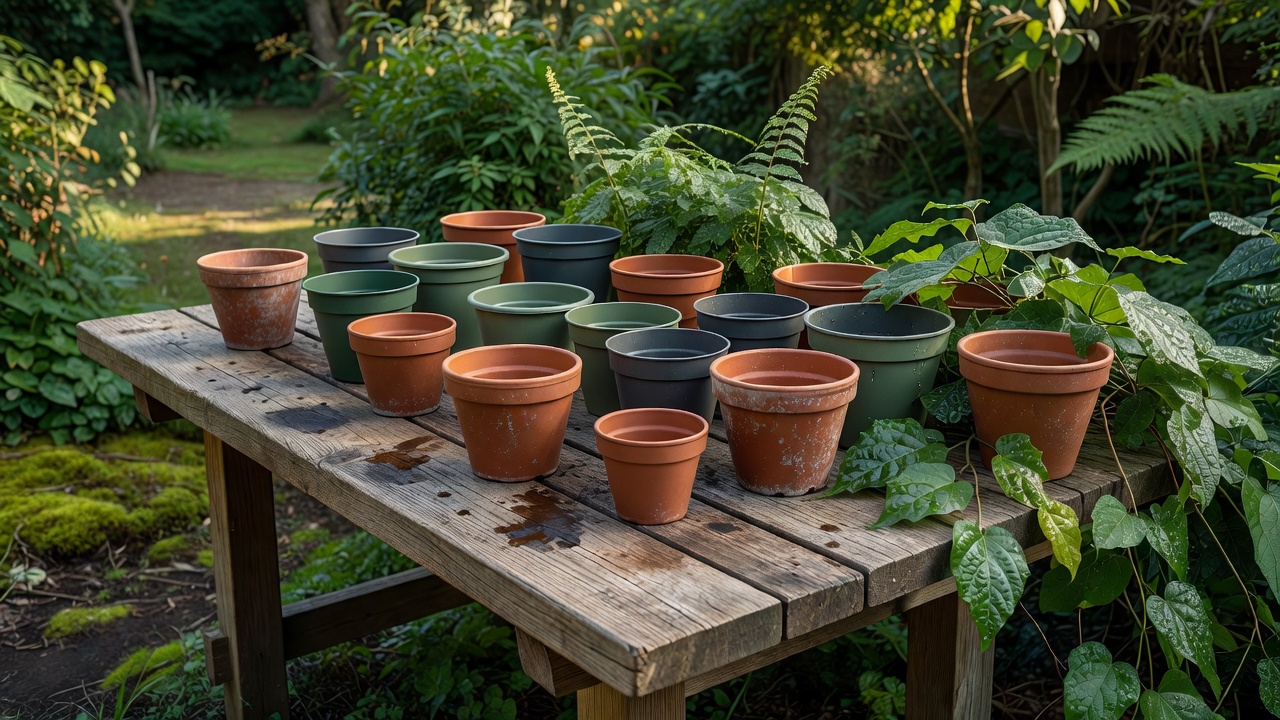
Begin with a folded sheet of clean paper, an empty unbreakable container, and a stable wooden surface you have permission to touch. These ordinary objects are enough to explore sound. You do not need to cut stems, strip bark, shake a nest, or collect seedpods from a public garden.
Avoid unknown plants, thorns, sap, moldy material, sharp edges, glass, and damaged pots. Do not handle wildlife or interfere with water used by animals. If an object might contain insects, leave it alone. Wash your hands after working outdoors, and keep all materials away from your mouth. Food containers used for an experiment should be cleaned appropriately before any later use.
Check the surroundings as well as the objects. Wet paving can be slippery, a table may wobble, and a quiet courtyard may amplify a small sound. Choose a place where gentle playing will not disturb other people. There is no benefit in testing how loud a pot can become; volume is not the learning target.
02Keep timing steady, change texture
Sound texture, often discussed as timbre, is part of what makes two sounds seem different even when they have a similar duration or loudness. Paper may rustle. A fingertip on wood may make a dry tap. An empty container may produce a hollow response. Describe what you hear in ordinary language before reaching for technical terms.
Gently crumple the paper once, then let it rest. Tap the wooden surface once with a finger pad. Compare the beginnings and endings of the sounds. Does one begin sharply? Does another spread into several tiny sounds? Try to keep your effort small and similar, while recognizing that different objects respond differently.
Open the same-timing, different-sound exercise
- Count four even spaces aloud.
- On count one, make a single quiet paper rustle. Leave the other counts silent.
- Repeat with a gentle fingertip tap on wood.
- Repeat with a fingertip on the unbreakable container.
- Write one descriptive word for each sound, without ranking them.
Do not put paper or loose objects on a drumhead for this exercise. Keep the comparison separate from your instrument.
Now repeat one sound on counts one and three. The rhythm stays the same while the texture changes. This is a useful distinction: choosing a different object changes the sound source, but it does not automatically create a new rhythm. You can make an interesting composition through contrast without adding more notes.
03Listen to what happens afterward
Resonance and reverberation are related listening interests, but they are not interchangeable labels. An object can vibrate in ways that emphasize particular frequencies. A surrounding space can reflect sound, creating a lingering collection of reflections. For this lesson, simply notice whether the object itself seems to ring and whether the location adds a tail.
Try your quiet fingertip tap in two permitted locations, such as a room and an open doorway. Keep the object and the effort as similar as possible. An informal comparison cannot isolate every variable, but it can sharpen your attention. Do not enter unsafe spaces or strike objects loudly to create a dramatic echo.
A phone recording is optional. Record only where permitted, avoid capturing private conversations, and ask permission before including identifiable people. Built-in microphones and automatic level adjustment can change how a sound appears in playback. A recording is a useful memory aid, not an exact measurement of the place.
“The tap sounded short at the workbench. Near the doorway I heard a longer tail. I changed location, so I cannot assume the object itself changed.”
Careful language makes a small experiment more informative.
04Bring one quality back to playing
Put the objects away and return to a properly supported bongo pair. Choose one listening quality to explore: perhaps a quick release, a softer beginning, or a longer silence after a note. Use only ordinary hand contact. Never strike the drum with stones, tools, plant stems, or hard objects to imitate a sound.
Play the beginner phrase from the basics lesson. Keep its counts unchanged. First use very gentle strokes; then try a comfortable, slightly fuller sound without forcing your hands. Listen for differences in clarity and ease rather than chasing the exact sound of a leaf or container. The drum has its own voice.
Sound-art references can broaden the conversation. John Cage’s Silence, Annea Lockwood’s A Sound Map of the Hudson River, and Bernie Krause’s The Great Animal Orchestra approach listening from different artistic and ecological directions. They are starting points for curiosity, not evidence that every natural event follows a fixed metre.
End by returning the space to its previous condition. Your most valuable result may be a distinction you can now hear: texture is not timing, louder is not clearer, and an interesting sound need not be turned into a performance.